
Baking Blog
Baking recipes, technique, and inspiration
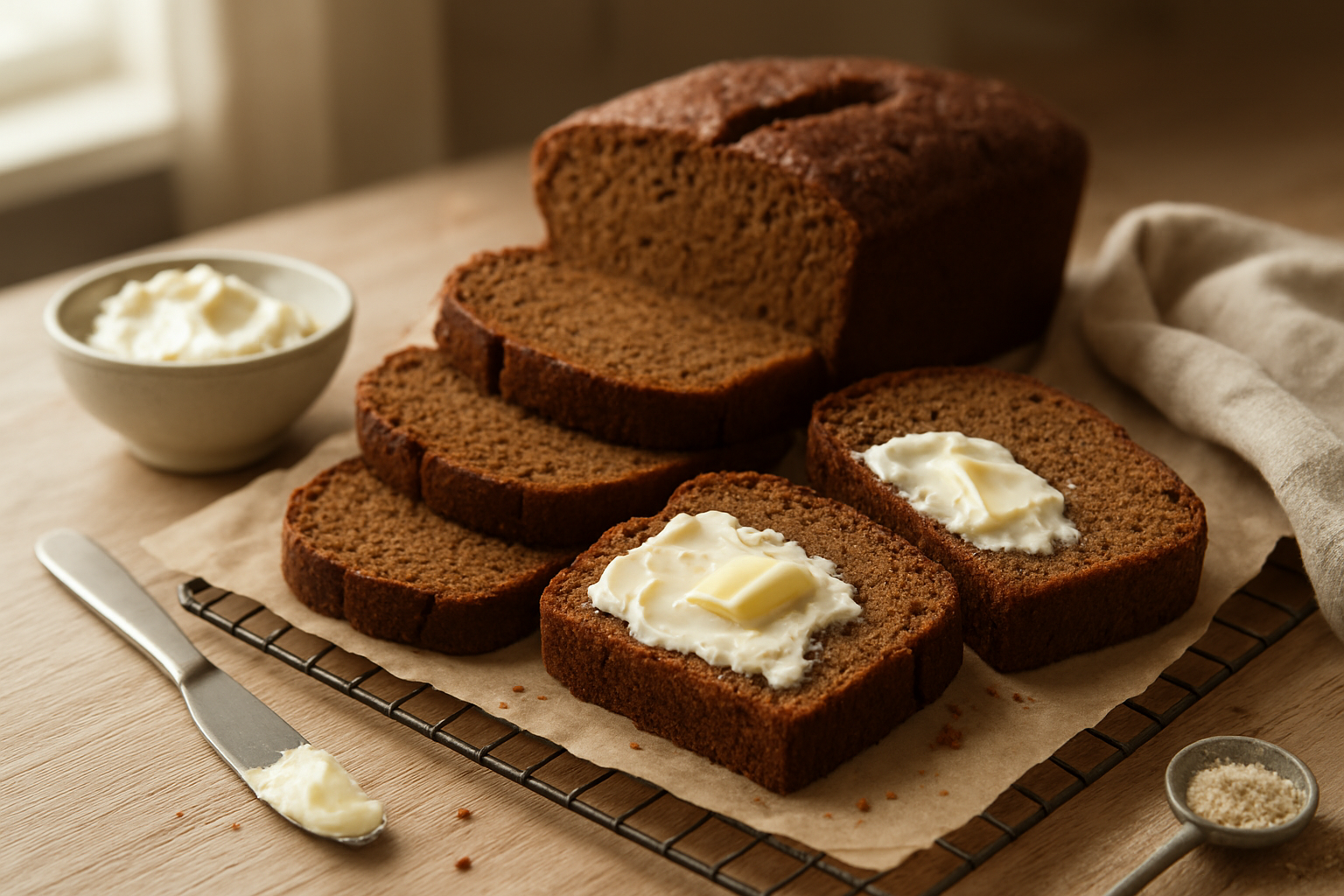
Classic New England Brown Bread Recipe: Moist & Molasses-Rich
🛒 Ingredients
- ✓
whole wheat flour
- ✓
molasses
- ✓
cream cheese
- ✓
butter
📊 Nutritional Information
📌 Overview
New England brown bread is a dense, moist loaf traditionally steamed in a can, known for its rich molasses flavor and hearty whole wheat base. This classic bread is perfect for breakfast or as a comforting snack, enjoyed plain or with cream cheese and butter. Its nostalgic appeal and unique texture make it a beloved staple in American kitchens, especially during cooler months.
👨🍳 Preparation
- 1
Open the can of brown bread and slice it into your desired thickness.
- 2
To enjoy warm bread, toast slices lightly or heat in a microwave for 15-20 seconds.
- 3
Spread with cream cheese or butter for a classic taste.
- 4
Use slices as a base for sandwiches or pair with soups and stews for a hearty meal.
🧠 Why It Works
This New England brown bread balances whole wheat flour’s hearty texture with the deep sweetness of molasses, which also helps retain moisture. The canning process traps steam, creating a soft crumb and preventing dryness. Butter and cream cheese add richness and complement the bread’s dense structure. The interplay of sugar and fat enhances tenderness while the steaming method ensures a moist, tender crumb unlike traditional oven-baked breads. Common mistakes include overheating when reheating, which can dry out the bread, and skipping the canning or steaming step that preserves its signature moistness.
🛠️ Troubleshooting
Why is my brown bread dry after reheating?
Overheating in the microwave or toaster can dry out the bread. Heat slices briefly—about 15-20 seconds in the microwave or light toasting—to preserve moisture and softness.
What if I don’t have molasses on hand?
You can substitute molasses with dark corn syrup or maple syrup, but expect a milder flavor. Molasses contributes to the bread’s characteristic richness and moisture retention.
My bread is too dense and heavy. What went wrong?
Dense texture can result from insufficient steaming or baking time, or using too much whole wheat flour without enough moisture. Ensure proper steaming or baking in a covered pan to trap steam and keep the crumb tender.
How do I keep brown bread fresh longer?
Store unopened cans in a cool, dry place. After opening, wrap tightly and refrigerate or freeze slices. Thaw frozen slices at room temperature or warm briefly before serving.
💡 Tips and Variations
- •
Rich version: Spread with softened butter and a drizzle of molasses for extra indulgence.
- •
Technical baking tip: When reheating, avoid overheating to keep the bread moist and prevent it from drying out.
- •
Dominant element: The molasses flavor is the star, providing sweetness and depth.
- •
Alternative version: Try serving with a smear of cream cheese mixed with a touch of honey for a sweet-savory combo.
- •
Structural substitution: If you want a homemade alternative, bake a dense whole wheat bread with added molasses steamed in a covered loaf pan.
- •
Secret ingredient or baking trick: The canning process traps steam, which keeps the bread soft and moist longer than typical baking.
- •
Quick dietary variation: For a gluten-free option, look for commercially available gluten-free brown bread or substitute with gluten-free whole grain bread.
📦 Storage
Store unopened cans in a cool, dry pantry. After opening, wrap leftover bread tightly in plastic wrap or place in an airtight container. Keep at room temperature for up to 3 days or freeze slices for longer storage.
🍷 Pairing
New England brown bread pairs beautifully with hot coffee, whose bold bitterness balances the bread’s sweet molasses notes and complements its moist texture. A robust black tea also works well, cutting through the sweetness while enhancing caramel undertones. For a creamy contrast, cold milk soothes the palate and highlights the bread’s dense, rich crumb, making each bite feel indulgent and comforting.
❓ FAQ
Can I make New England brown bread without a can?
Yes, you can bake it in a covered loaf pan to mimic the steaming effect, which helps keep the bread moist. Wrapping the pan tightly with foil traps steam during baking.
How long does unopened canned brown bread last?
Unopened canned New England brown bread can be stored in a cool, dry pantry for several months, maintaining freshness and moisture until opened.
What are good substitutes for molasses in this bread?
Dark corn syrup or maple syrup can substitute molasses, but molasses provides a unique depth and slight bitterness that defines the bread’s flavor.
Is New England brown bread gluten-free?
Traditional recipes use whole wheat flour, so they are not gluten-free. For gluten-free options, look for commercially made gluten-free brown bread or substitute with gluten-free whole grain flours.
How should I store leftover brown bread?
After opening, wrap leftover slices tightly in plastic wrap or store in an airtight container at room temperature for up to 3 days, or freeze for longer storage.
🏛️ History and Tradition
New England brown bread has roots dating back to colonial America, where settlers used simple, hearty ingredients like whole wheat flour and molasses to create sustaining breads. Traditionally steamed in cans, this method preserved moisture and extended shelf life before modern ovens were common. Over time, it became a beloved staple in New England households, often served with baked beans or as a breakfast treat spread with butter or cream cheese. Its nostalgic, comforting qualities have cemented its place in American baking culture, especially during fall and winter months when warm, dense breads are most appreciated.
New England brown bread is a nostalgic, comforting treat that brings warmth and rich flavor to your table with minimal effort. Whether you enjoy it straight from the can or warmed with your favorite spread, it’s a delicious reminder of classic American baking traditions.
Rate this recipe
Click or tap the stars to rate