
Baking Blog
Baking recipes, technique, and inspiration
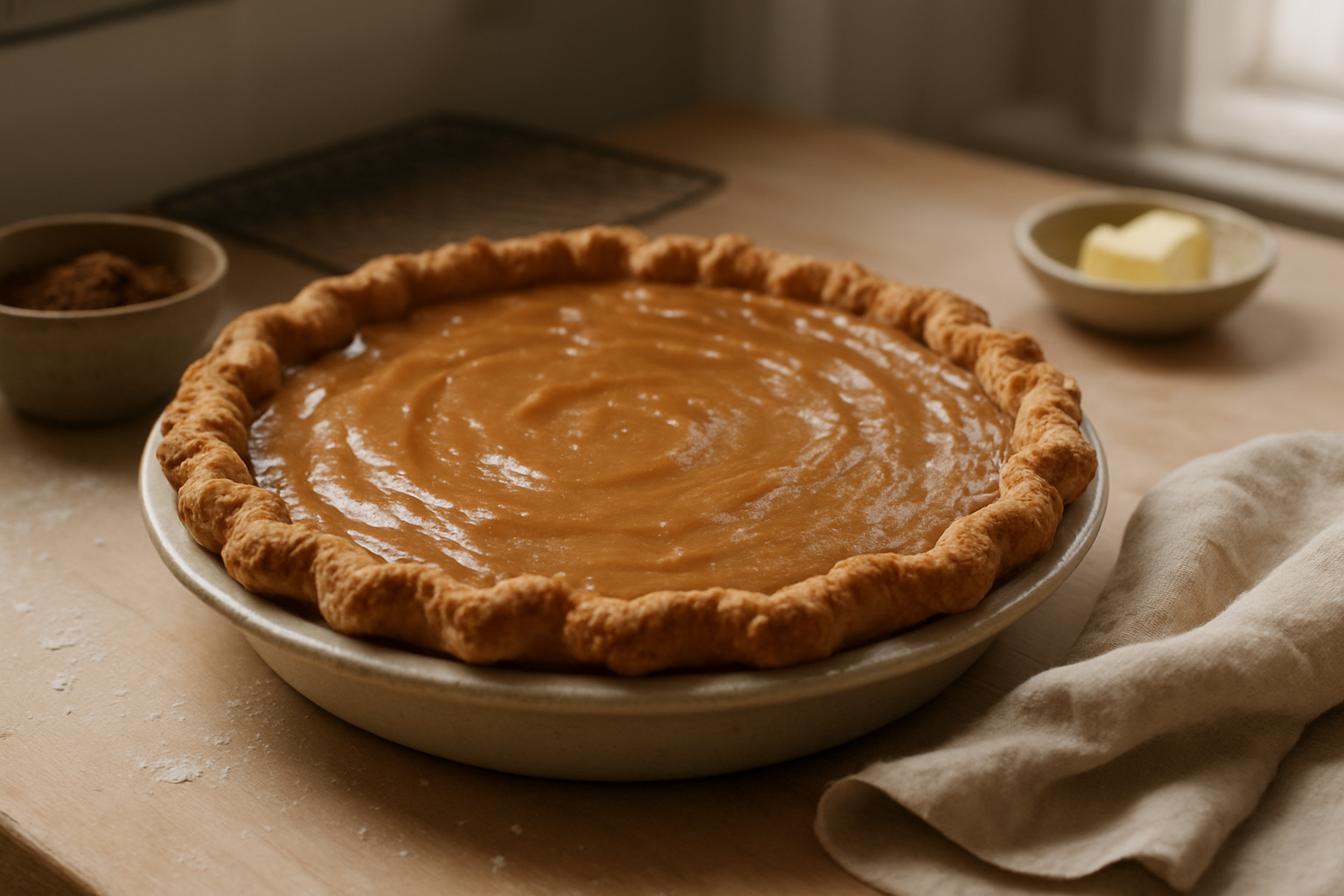
How to Make Browned Butter Butterscotch Pie: Creamy & Rich Recipe
Discover the best browned butter butterscotch pie recipe with a creamy filling and buttery crust. Perfect for homemade desserts and special occasions.
📖 What is it
Discover the best browned butter butterscotch pie recipe with a creamy filling and buttery crust. Perfect for homemade desserts and special occasions.
🛒 Ingredients
- ✓ 1 pre-baked pie crust, cooled
- ✓ 1/2 cup (1 stick) unsalted butter
- ✓ 1 cup plus 2 tbsp packed dark brown sugar
- ✓ 1/4 cup cornstarch
- ✓ 3 tbsp all-purpose flour
- ✓ 1/2 tsp salt
- ✓ 12 oz evaporated milk
- ✓ 1/2 cup milk
- ✓ 4 egg yolks, lightly beaten
- ✓ 1 1/2 tsp vanilla extract
📊 Nutritional Information
Browned butter butterscotch pie is a luscious dessert featuring a creamy, thick filling infused with nutty browned butter and rich butterscotch flavors. This pie is ideal for cozy gatherings or holiday celebrations, offering a comforting sweetness that’s hard to resist. Its buttery crust and smooth texture make it a popular choice among pie lovers craving a decadent treat.
👨🍳 Preparation
- 1
In a medium saucepan, melt the butter over medium heat. Continue cooking, swirling occasionally, until the butter turns a golden brown and emits a nutty aroma. Watch carefully to avoid burning.
- 2
Stir in the dark brown sugar and cook until it dissolves completely and forms a smooth paste.
- 3
Combine evaporated milk and regular milk in a measuring cup. Slowly pour this mixture into the browned butter and sugar, stirring constantly. Bring to a gentle simmer, ensuring the mixture is smooth.
- 4
In a separate bowl, whisk together cornstarch, flour, and salt. Gradually add 1/2 cup of the hot milk mixture to the dry ingredients, whisking until smooth and lump-free.
- 5
Pour this mixture back into the saucepan with the remaining milk mixture. Cook over medium heat, stirring constantly, until the filling thickens, about 1 minute.
- 6
To temper the egg yolks, slowly add 1/2 cup of the hot filling into the yolks while whisking continuously. Then, return the yolk mixture to the saucepan.
- 7
Cook for an additional 30 to 60 seconds, stirring constantly, until the filling is thick and glossy. Remove from heat and stir in the vanilla extract.
- 8
Let the filling cool for 10 to 15 minutes. For extra smoothness, strain the filling through a fine mesh sieve (optional).
- 9
Pour the filling into the pre-baked pie crust. Press a piece of plastic wrap directly onto the surface of the filling to prevent a skin from forming.
- 10
Refrigerate the pie overnight to allow it to set completely.
- 11
Serve chilled, topped with freshly whipped cream if desired.
🧠 Why It Works
This pie’s success lies in the precise balance of ingredients and baking chemistry. Browning the butter develops deep nutty flavors through the Maillard reaction, which enhances the butterscotch’s caramel notes. The combination of cornstarch and flour ensures a stable, thickened filling with a smooth, creamy crumb. Tempering the egg yolks prevents curdling, maintaining a silky texture. The interplay of fat from butter and sugar creates a tender mouthfeel, while careful stirring avoids lumps and ensures even cooking. Common mistakes include overheating the butter or failing to temper eggs properly, which can lead to bitterness or grainy texture.
🛠️ Troubleshooting
Why is my browned butter butterscotch pie filling lumpy?
Lumps usually form if the starch mixture isn’t whisked thoroughly before adding to the hot liquid or if the filling isn’t stirred constantly during cooking. To fix this, strain the filling through a fine mesh sieve before pouring into the crust.
What causes the pie filling to be too thin or runny?
Under-cooking the filling or using too much liquid can result in a runny texture. Ensure the filling thickens on the stove for the full recommended time and measure ingredients precisely.
How can I fix a dry or crumbly pie crust?
A dry crust often results from over-baking or insufficient fat. Use a high-quality butter crust and avoid over-baking. Also, chilling the dough before baking helps maintain moisture.
Can I reheat leftover pie slices?
Reheating is best done gently at low temperature or served chilled. Warm the pie briefly in a low oven (around 300°F) to avoid melting the filling or altering texture.
What if I accidentally burned the browned butter?
Burnt butter tastes bitter and will negatively affect the pie. If this happens, discard and start over, watching the butter closely as it browns to catch the nutty aroma and golden color before it burns.
💡 Tips and Variations
- •
Rich version: Use heavy cream instead of milk for a creamier, more indulgent filling.
- •
Technical baking tip: Whisk the cornstarch mixture thoroughly before adding to the hot liquid to prevent lumps.
- •
Identification of dominant element: The browned butter provides the signature nutty depth that defines this pie’s flavor.
- •
Alternative version: Swap the evaporated milk for half-and-half to lighten the texture slightly.
- •
Structural substitution of main ingredient: Replace the all-purpose flour with cornstarch only for a silkier texture but watch for thinner consistency.
- •
Secret ingredient or baking trick: Adding the vanilla extract off the heat preserves its delicate aroma and flavor.
- •
Quick dietary variation: Use a gluten-free pie crust and cornstarch only to make this pie gluten-free.
📦 Storage
Keep the pie refrigerated, covered tightly with plastic wrap or in an airtight container, for up to 3 days. Avoid freezing as the texture may suffer upon thawing.
🍷 Pairing
Pair browned butter butterscotch pie with freshly brewed coffee to balance its rich sweetness with bold, slightly bitter notes that highlight the nutty browned butter. A robust black tea also complements the creamy butterscotch filling, offering a pleasant contrast without overpowering the flavors. For a classic touch, cold milk provides a refreshing, creamy counterpoint that softens the pie’s richness and cleanses the palate between bites.
❓ FAQ
Can I substitute evaporated milk with regular milk in browned butter butterscotch pie?
Yes, you can use regular milk or half-and-half instead of evaporated milk, but evaporated milk adds richness and a slightly caramelized flavor that enhances the pie’s depth.
How do I store browned butter butterscotch pie to keep it fresh?
Store the pie covered tightly in the refrigerator for up to 3 days. Avoid freezing as it can alter the creamy texture and cause separation upon thawing.
What can I use instead of all-purpose flour to thicken the filling?
You can replace all-purpose flour with additional cornstarch for a silkier texture, but be mindful that the filling may be slightly thinner and require careful cooking to avoid over-thickening.
Is it necessary to pre-bake the pie crust for this recipe?
Yes, pre-baking the crust ensures it stays crisp and prevents sogginess from the moist filling, providing a perfect buttery base for the pie.
Can I make this pie gluten-free?
Absolutely! Use a gluten-free pie crust and substitute the flour with cornstarch only to keep the filling smooth and gluten-free.
🏛️ History and Tradition
Browned butter butterscotch pie is a beloved American dessert that combines two classic flavors: the nutty depth of browned butter and the sweet, caramel-like richness of butterscotch. While butterscotch itself dates back to 19th-century England, its adaptation into American pies gained popularity in mid-20th-century home baking, especially in the South and Midwest. This pie became a staple for holiday tables and family gatherings, celebrated for its comforting texture and indulgent flavor. Over time, bakers have refined the recipe, incorporating techniques like tempering eggs and pre-baking crusts to perfect its creamy consistency. Today, it remains a seasonal favorite, especially during fall and winter, when its warm, buttery notes pair beautifully with festive occasions.
This Browned Butter Butterscotch Pie is a delightful blend of nutty, sweet, and creamy flavors that’s well worth the effort. With a little patience and attention to technique, you’ll create a dessert that’s both comforting and impressive. Give it a try—you might just find it becoming a new favorite!
Rate this recipe
Click or tap the stars to rate