

Baking has long been a defining part of American home culture, blending tradition, comfort, and everyday life into something deeply familiar. From homemade cookies to classic pies, baking represents more than just food—it reflects family habits, seasonal rituals, and the enduring appeal of creating something from scratch in your own kitchen. In the United States, baking is not just a culinary practice, but a cultural expression rooted in simplicity, accessibility, and emotional connection.
The Roots of Baking in American Tradition
The history of baking in America is closely tied to the country’s early settlers, who brought European techniques and adapted them to local ingredients and conditions. Over time, these influences evolved into a uniquely American baking identity, where recipes were simplified, standardized, and widely shared.
From early farmhouse kitchens to modern suburban homes, baking became a daily practice rooted in practicality. Bread, biscuits, and simple cakes were staples, made not for celebration but for nourishment. This utilitarian approach helped shape a culture where baking is both functional and meaningful, accessible to anyone with basic ingredients and tools.
As American society developed, so did its baking traditions. Regional variations emerged, influenced by climate, agriculture, and cultural diversity. Yet despite these differences, the core idea remained the same: baking as a reliable, everyday activity tied to the rhythm of home life.
From Scratch: A Core American Value
One of the most distinctive aspects of American baking is the emphasis on making things “from scratch.” This concept goes beyond technique—it reflects values such as independence, resourcefulness, and authenticity. Preparing baked goods at home allows individuals to control ingredients, adjust flavors, and create something personal and intentional.
Even with the rise of convenience products like boxed cake mixes and pre-made doughs, the idea of homemade baking has never lost its relevance. In fact, many home bakers today are returning to scratch baking as a way to achieve better flavor, improved consistency, and a deeper understanding of the process.
This balance between convenience and craftsmanship is a defining feature of American baking culture. It allows for flexibility while still preserving the importance of technique and attention to detail.
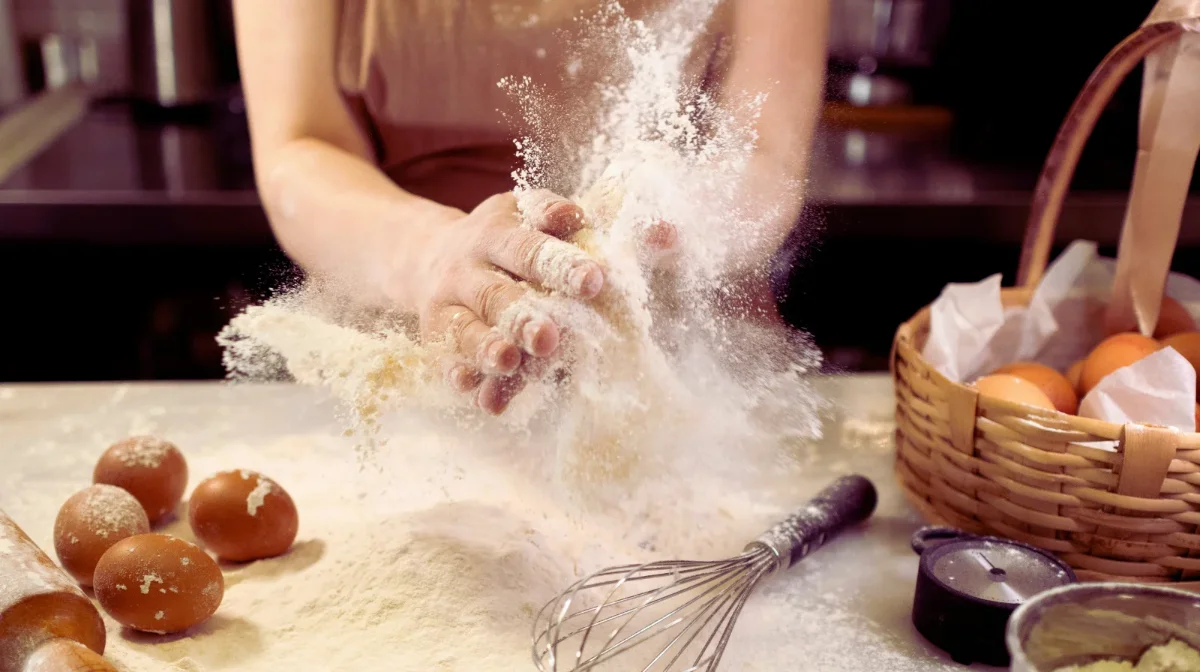
Baking as Comfort and Daily Routine
Few activities are as closely associated with comfort as baking. The smell of cookies in the oven or a freshly baked loaf of bread can transform a space instantly, creating a sense of warmth and familiarity. In American households, baking often plays a central role in establishing a calm and welcoming environment.
The process itself is just as important as the result. Measuring ingredients, mixing batter, and waiting for dough to rise introduces a rhythm that contrasts with the pace of modern life. This repetitive, hands-on activity can be both grounding and rewarding, offering a break from digital routines and constant distractions.
For many people, baking becomes part of a daily or weekly routine—something predictable, reliable, and deeply satisfying. It provides a sense of control and accomplishment, even in small, everyday moments.
Seasonal Baking and Shared Moments
Baking is deeply connected to the American calendar, with certain recipes tied to specific seasons and celebrations. Pumpkin-based desserts in the fall, cookies during the winter holidays, and fruit pies in the summer all reflect the cyclical nature of home baking.
These seasonal patterns reinforce traditions that bring people together. Baking becomes a shared activity, often passed down through generations, creating continuity and memory. Recipes are not just instructions—they are part of a larger cultural narrative that connects families and communities.
Holiday baking, in particular, plays a significant role in American life. It transforms baking from a routine task into a meaningful ritual, where time, effort, and intention come together to create something memorable.
The Role of Baking in Modern American Life
Today, baking continues to evolve while maintaining its core identity. Online platforms, food blogs, and digital communities have made recipes more accessible than ever, allowing home bakers to explore new techniques and ideas with ease.
At the same time, there is a growing interest in understanding the science behind baking. Many people want to know not just how to follow a recipe, but why it works. This shift reflects a broader trend toward practical knowledge and skill development, particularly in the context of home cooking.
Modern American baking combines tradition with innovation. It embraces new ingredients and methods while staying grounded in the principles that have defined it for generations: simplicity, reliability, and clarity.
Why Baking Still Matters Today
Baking feels American because it reflects values that remain relevant: self-sufficiency, comfort, and the importance of home. It is an activity that adapts to changing lifestyles while preserving its connection to tradition.
Whether it’s a batch of cookies made on a quiet afternoon or a cake prepared for a special occasion, baking continues to play a meaningful role in everyday life. It brings together technique and creativity, offering something both practical and deeply personal.
At its core, baking is about more than recipes—it’s about creating moments, building routines, and finding comfort in something familiar. That is why it continues to feel not just relevant, but essential in American culture.